


 0
0

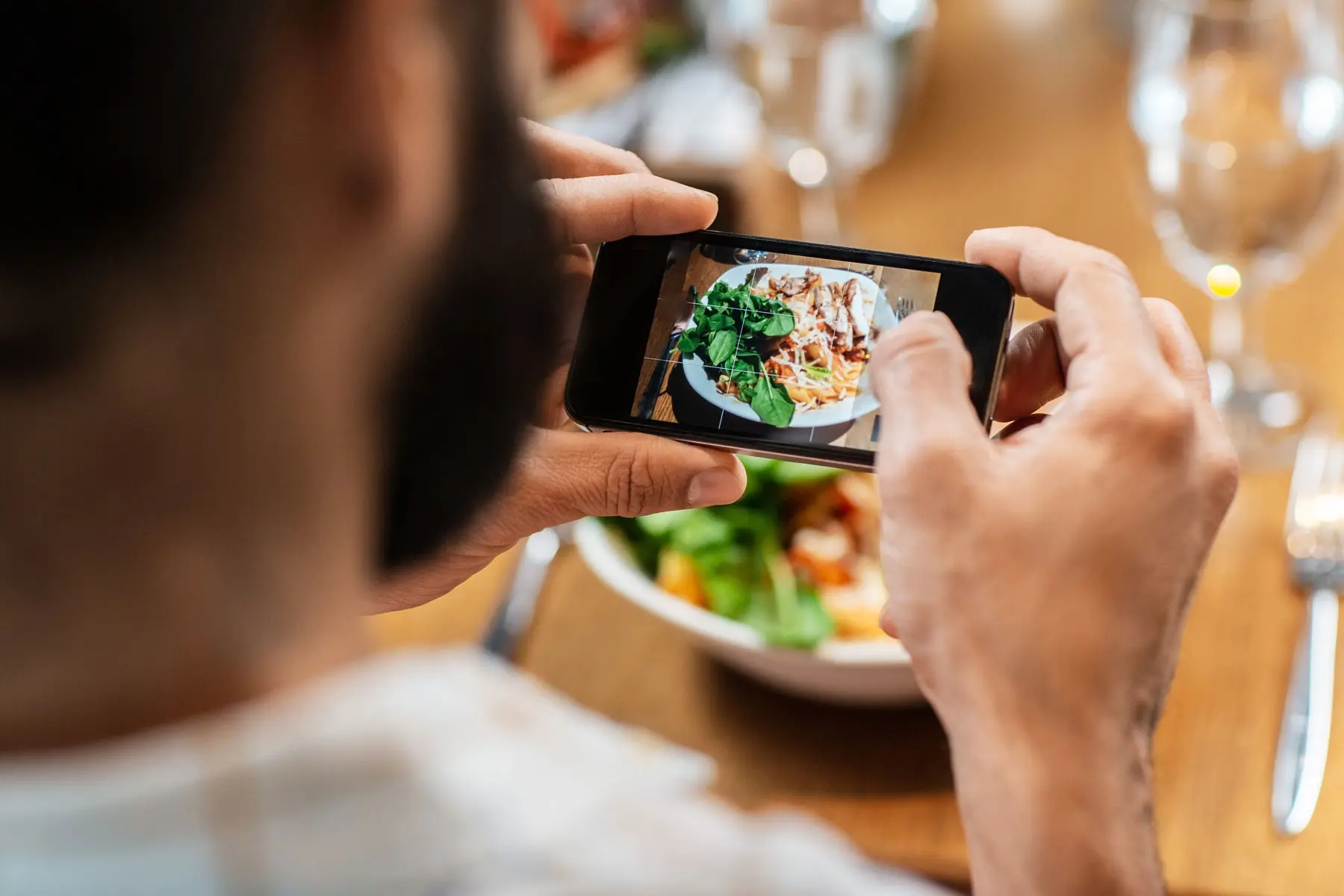
Tips & Hacks for Food Tracking that WORKS
27th May, 2025
[aka How to Finally Figure Out Why You’re “Eating Healthy” but Still Not Losing Weight]
Let’s be real: food tracking has a reputation problem. People hear the words and think rigid, restrictive, obsessive. But here’s the truth: when done right, food tracking is less “punishment spreadsheet” and more “success blueprint.”
Think of it like managing your money. If you’re trying to save for a big trip or pay off a credit card, would you just guess how much you’re spending each week? Probably not.
Same deal with fat loss. You need to know your nutritional “income and expenses” if you want to stay on budget and actually reach your goals.
Here’s your behind-the-scenes guide — full of hacks, honesty, and the kind of food scale recommendations that only people deep in the tracking trenches will know.
Why Track Your Food?
Because you can’t fix what you can’t see.
Most people are wildly off when estimating how much they eat. Like, “that’s not a tablespoon of peanut butter, friend — that’s a quarter cup” kind of off. Tracking pulls back the curtain. It shows you the real story, not just the highlight reel.
It’s also:
-
A mirror for your habits
-
A compass for your goals
-
And, honestly, a bit of a superpower once you learn how to use it
IRL Example: When Food Tracking Shines a Light on Reality
Let’s talk about Rachel.
Rachel is eating “clean.” Greek yogurt for breakfast. Salad at lunch. Chicken stir-fry at dinner. She’s totally baffled why the scale isn’t budging.
But when she finally starts tracking…
-
The Greek yogurt is the full-fat one, and she’s eating it out of the tub — 300+ calories before toppings.
-
The salad has avocado, seeds, dressing, feta… we love a nutrient-dense meal, but that’s a 700-calorie lunch (oof).
-
The stir-fry? She’s pouring olive oil straight from the bottle into the pan like it’s Top Chef — about 300 cals in oil alone.
Rachel’s not “failing.” She just doesn’t have the data, and she’s guessing rather than assessing.
Once she logs for a week? Boom — clarity, control, and progress.
How to Start Tracking (Without Losing Your Mind)
Step 1: Pick an App
Top faves:
-
MyFitnessPal: huge food database and links to Coach Amanda’s app, which is why we love it!
-
MacrosFirst: clean, macro-friendly interface
-
Chronometer: super detailed micronutrient info
Step 2: Get a Food Scale
Don’t panic — you won’t be measuring out spoonfuls of rolled oats in a bowl forever. But it is essential for initial accuracy. Go for the Ozeri Pronto or Greater Goods scale. Affordable, reliable, and won’t take over your countertop.
Step 3: Log Honestly (Especially in Week 1)
Don’t try to “eat better” for the sake of the app. Just track what you normally eat. This is a huge eye-opener in itself, and gives you a baseline from which you can actually create meaningful strategy.
Common Mistakes You Will Make (and How to Outsmart Them)
1. You’ll Forget to Log Until 9pm
Now you’re trying to remember if you had 10 almonds or 30 – and, ahem, forgetting that little between-meetings latte.
Our Hack: Pre-log your meals the night before or in the morning. It’s like meal-prepping… but for your brain.
2. You’ll Eyeball Everything
Spoiler: your eyeballs are lying. If you aren’t currently at your ideal body composition, this is one clue as to why.
Our Hack: Weigh foods in grams, not cups. A “serving” of cereal is almost never what’s pictured on the box – check it!
3. You’ll Get Bored of Logging the Same Meals
Our Hack: Apps let you save frequent meals or copy from previous days. Use that repeat button like your sanity depends on it (and by the way, research suggests that people who eat healthy meals on repeat have an easier time losing weight).
4. You’ll Think You’re “Bad” for Going Over Calories
You’re not. You’re human. Don’t let the log judge you, just like we encourage clients to not let the scale judge them. Pieces of paper and hunks of metal wield no power over you, we promise.
Our Hack: Treat tracking like data collection (because, um, that’s exactly what it is). A high-calorie day doesn’t mean you “failed.” It means you now know how to plan better next time, and what slipped you up in the first place.
Food Tracking Hacks from the Pros
-
Use barcode scanning for packaged foods. It’s faster and more accurate.
-
Log as you go. Waiting till the end of the day = memory gymnastics, and usually a failed dismount. 😉
-
Meal prep with portions in mind. Know what 100g of cooked chicken looks like, backwards and forwards.
-
Batch-log “templates.” If you eat the same smoothie or overnight oats every morning, save it as a meal and one-click it into your day – bam. Convenience level unlocked.
What If You Still Feel Lost, Overwhelmed or Annoyed?
That’s where a coach can make all the difference.
Tracking gives you the map. But a coach? They help you read it, and make the journey a little more fun, too. At LIFT Clinic, we help determine your specific macros, make sense of the overall patterns, and keep you from spiralling when your dinner party sends you 400 calories over budget.
Food tracking can be powerful. But food tracking with guidance? That’s where the lasting transformation happens.
Coach Amanda’s Final Pep Talk
Food tracking isn’t about being “perfect.” It’s about awareness and building nutrition literacy.
If you’ve only ever followed “meal plans” or tried to cobble together “healthy recipes” from the internet or influencers as a way to lose weight, it’s like using Google Translate to constantly try and communicate – always piecemeal, never fluent.
Food tracking immerses you in the language; helps you to become conversant in a way that makes you feel less like a tourist and more like a local in the ‘world’ of nutrition (which, by the way, you’ll be living in for the rest of your life – so why not jump at the chance to learn now?).
You don’t need to do it forever. But if fat loss, performance, or better energy is your goal? It’s the fast track way to stop guessing and start progressing.
You’ve got this.
Now go scan a barcode or something.
