


 0
0

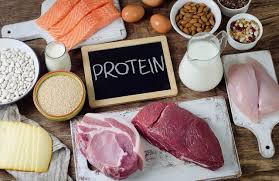
Let’s talk about the most misunderstood product in a healthy pantry: protein powder.
Depending on who you ask, it’s either a magical muscle elixir… or a synthetic substance you should only touch with gloves. But somewhere between the bro-science and fearmongering lies the truth: protein powder is just food — powdered. And it can be one of the easiest, most affordable tools in your nutrition toolbox.
Let’s bust through some of the biggest misconceptions:
💥 Misconception #1: “I can only take one scoop a day — don’t wanna overdose.”
Protein powder isn’t a medication. There’s no “dose” you need to stick to, and you absolutely can’t overdose on it (unless you count accidentally making your smoothie way too thick, that’s a real vom risk, folks).
What matters is your total daily protein intake — not how much of that comes from a powder. One scoop gives you ~20–25g. If you need 100g/day to meet your goals and you can only get 50g from food, then yes — 2 scoops is totally fine (vital, this coach might argue).
🥤 Misconception #2: “I tried one once and didn’t like it / felt gross from it.”
Trying one protein powder and deciding they’re all awful is like eating one salad and giving up on vegetables. There are so many types, and the right formula is highly personal (you can check out some of Coach Amanda’s recommendations here):
-
Whey concentrate: most common and cost-effective
-
Whey isolate: more refined, lower in lactose
-
Hydrolyzed whey: fastest-digesting, good for sensitive stomachs
-
Plant-based blends (I recommend pea or rice/pea blends): great for vegans or dairy-intolerant folks
-
Collagen: not a complete protein, but great “bonus” protein for joints and skin
And then there are flavours: chocolate, vanilla, salted caramel, matcha, peanut butter, mango coconut (yes, really – just check the label to make sure your preferred flavour isn’t accompanied by an added sugar bomb). Unflavoured options work great for folks who love baking and “building” protein into non-sweet foods (did y’all know you can even make protein rice?).
The texture, sweetness, and mixability vary a lot. Don’t give up after one try — ask around, try samples, or talk to a coach.
👶 Misconception #3: “You can’t take it while pregnant or breastfeeding.”
Yes you can — and in fact, your protein needs go up during these life stages. As long as you’re using a quality powder with no dodgy ingredients, protein supplements are a perfectly safe way to meet your increased needs.
In fact, many women find it easier to blend a shake than cook a full meal — especially when they’re suffering from morning sickness, or busy breastfeeding a newborn postpartum.
That said, always read the label, avoid powders with stimulants or herbs, and run your choice by your OB or doc.
👵 Misconception #4: “I’m too old to need protein powder.”
Actually — the older you get, the more we find documented benefits of increased protein intake.
As we age, we naturally lose muscle mass (leading to sarcopenia), which contributes to frailty, falls, and metabolic issues — including insulin resistance and even cognitive decline.
Protein isn’t just about building muscle. It’s about preserving it.
If you (or an older person in your life):
-
Struggle to eat large meals
-
Don’t love meat
-
Have a smaller appetite
-
Want to age with strength, balance, and vitality
…then a scoop of protein in your morning oats or afternoon shake can make a huge difference. You don’t need to deadlift 200 to earn a protein shake. You just need a body you care about keeping strong.
💰 Misconception #5: “Protein powders are super expensive.”
Not really. One scoop = ~25g protein. That’s roughly the same as:
-
100g cooked chicken breast
-
4+ eggs
-
1 small salmon fillet
And the relative cost? Only $1–$2 per serving — which here in Singapore is way less than what you’d pay for an extra ice cream topping or even a decent kopi in most stalls (!).
For people who don’t cook often, are on the go, or want to stretch their grocery budget, it’s an easy, no-fuss way to hit protein targets without constantly meal-prepping.
✅ So… Do You Need Protein Powder?
Not necessarily. You can always meet your protein needs through food — but that’s often easier said than done.
Here’s when protein powder might help:
-
You’re short on time in the morning but need 20-40g before you walk out the door
-
You don’t love cooking every meal and wish there was a quick & easy way to get protein in
-
You’re trying to lose body fat without losing muscle, but the meal planning struggle is real
-
You’re a vegan, vegetarian, or pescatarian – quality protein options are limited
-
You’re perimenopausal or postmenopausal and want to age strong without sacrificing your sanity
💡 Quick bonus note: Protein and creatine are not the same thing, but most people can benefit from taking both.
Protein provides the building blocks (amino acids) your body uses to build and repair muscle. Creatine helps your muscles produce energy during high-intensity exercise — and has benefits for muscle recovery, brain health, and even mood.
They’re your dynamic duo for staying strong, sharp, and resilient – and I recommend creatine in 5-10g daily dosing (depending on your age, gender, size, activity level, and goals) for nearly every client I see in LIFT Clinic.
