0
0


Can You Eat TOO Healthy?
20th December, 2024
As a nutrition coach, I’m accustomed to the “newbie” challenges that arise from folks that are new to health and fitness (saying things like, “I don’t eat vegetables” or “do I really have to eat protein with every meal?” or “why are five Diet Cokes a day a problem if they have zero calories?”).
However, it’s actually NOT the newbie clients that are my most challenging. Not by a long shot.
In fact, it’s the ones who think they know the most about nutrition (whether they’ve tried a certain restrictive diet and found that it worked for them on some very short-lived timeline, they have a specific condition they’re trying to manage with a very-exclusionary diet, or they simply follow the myriad and often-conflicting trends in social media) and try to apply the extremes of nutritional science that actually get me worried.
There are many, MANY types of disordered eating (DE). Mind you, this is not the type of “eating disorder” (ED) we usually associate with medically diagnosed anorexia or bulimia (although those are definitely disordered). General DE habits can include:
- constantly obsessing over food / eating / not eating / counting calories / etc.
- eating behaviours that both cause and are trying to relieve distress simultaneously
- eating in a way that doesn’t match your physiological need (i.e., eating so little you’re always hungry or eating so much you’re always stuffed)
- consumption behaviours that harm yourself or others (like excessive alcohol intake)
- orthorexia (an unhealthy focus on eating in a healthy way; similar to point 1 here)
If you haven’t heard of that last one, you might want to read up on it, as orthorexia is one of the fastest growing DE tendencies around the world. It means an obsession with “clean eating” – not just healthy eating to lose weight, but an all-consuming focus on the relationship between food choices and health (alongside an increasing inabilty to enjoy food socially, or feel satisfied by food that isn’t stringently prepared/”approved”).
But is that such a bad thing, you might ask? Don’t all us high-falutin’ fancy-nutrition folks wish the world were more like us, with our macros and our tracking apps and proper portions and our real-food-focused organic gluten-free sugar-free dairy-free spelt grains?
Actually, not really.
Here’s the thing I always try to hit home with my clients: human nutrition is, and will always be, a balancing act. You have to balance the food you might want to eat (pizza!) with the body you still want to have (abs!) with a lifestyle you truly enjoy (fun!) and the best possible health you can achieve (longevity!). Examples:
- If you have the pizza sometimes, you will probably have the fun, you likely won’t have all six of the abs, but you just as likely won’t probably do any long-term damage to your health.
- If you never have the pizza, you probably have zero fun, you might just find a few abs, and your general health might still go either way depending on the composition of the rest of your diet.
- If you have all the pizza all the time, it probably gets less and less fun, you can forget about the abs, and you are probably not living in your healthiest body, if we are being honest.
You see how this works? There are mandatory tradeoffs between lifestyle and nutrition, and they’re not all either damning or rewarding – they just are (one of my favorite-ever infographics about this very topic can be found here).
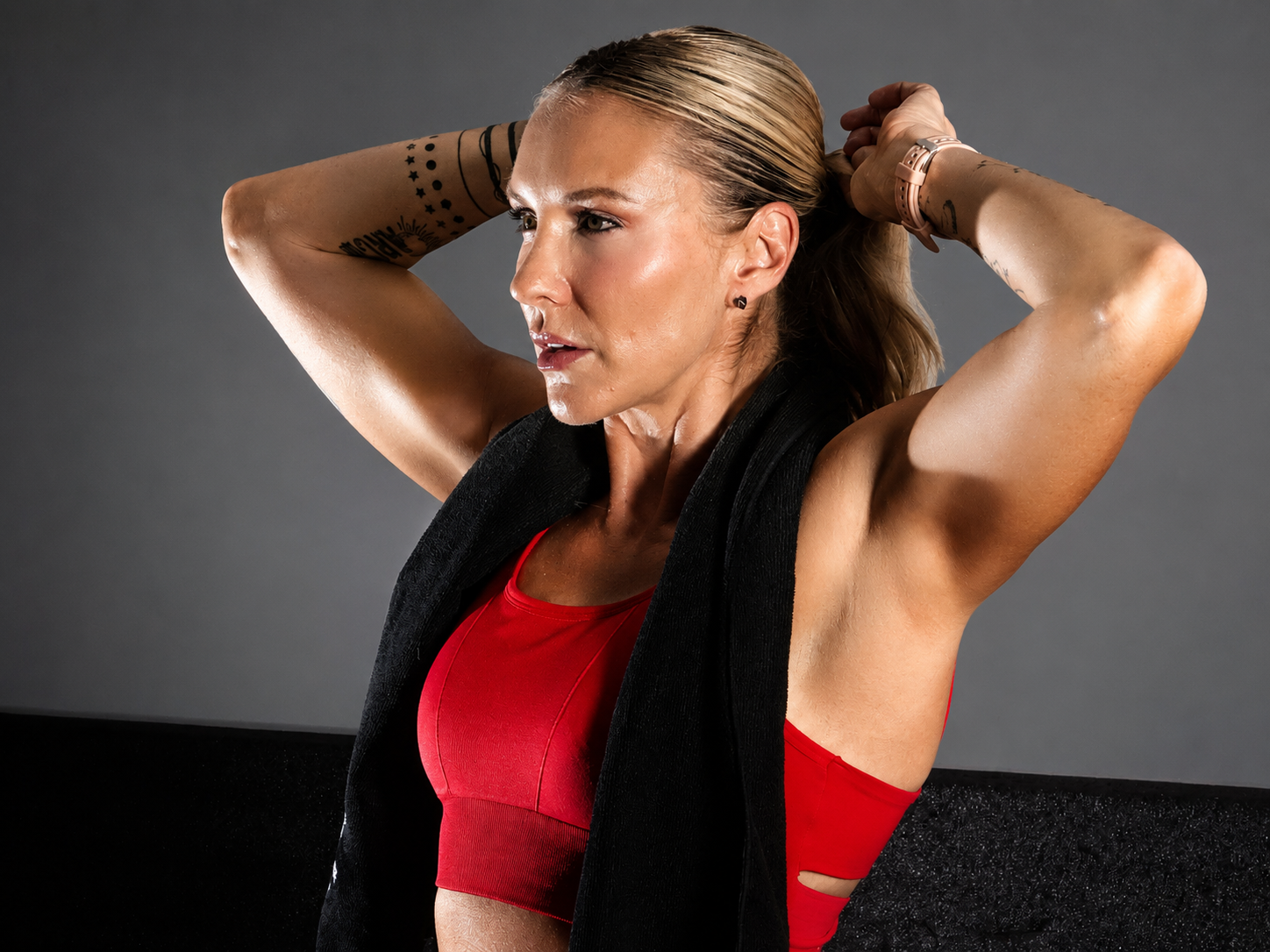
As a clinical metabolic health coach, I feel a dutiful responsibility to demonstrate a strong, fit body, balanced nutrition, and a healthy life-work balance whenever possible to my clients (follow me on Insta if you want to see the nitty-gritty realness of my workin’ mom life!) – but I have long given up on the pursuit of perfection.
I make my own tradeoffs too, and those of you know me personally know that I am no stranger to a pizza, a delicious craft beer, or a buttered slice of sourdough toast – I don’t deprive; but I found the balance that lets me thrive.
So how do you know if you have a disordered relationship with food? As a wise man once said, check yo’self before you wreck yo’self:
- Are you terrified of becoming overweight (especially if you have never been overweight)?
- Do you feel guilt after eating anything “off track”?
- Do you avoid eating, even when you are physically hungry?
- Have loved ones expressed concern over your eating, whether too little or too much?
- Do you exercise with the sole purpose of burning the caloric content of your food?
- Do you feel controlled by the food that you choose to eat (or not eat)?
- Do you feel like other people in your life pressure you to eat more/less?
- Do you claim to “feel better” when your stomach is empty or “feel sick” when you eat?
- Are you constantly preoccupied with thoughts about being fat or getting thin?
- Do you avoid trying new foods, going to social events with food present, or celebrating with food because you are afraid of eating “bad” food?
There’s no “grade” for the above test, but it is loosely based on the Eating Attitudes Test from Psychcentral.com, a screening tool used to pre-diagnose common disordered eating patterns before they become full-blown disorders – and I find it helpful to start some necessary – if often uncomfortable – discussions with clients that I sense may be heading down the DE path (or recovering from former DE patterns).
If you think you might have some of the warning signs of DE, definitely get an appointment with a certified nutritionist, registered dietitian, or therapist with a specialty in eating disorders to get your habits back on track and make sure you’re eating a balanced, satisfying, and nutritionally sound diet for your body.